Energy-Efficient Radiant Floor Heating Systems
RADIANT FLOOR HEATING EXPERTS
Luxury In-Floor Heating for Kitchens & Bathrooms
Radiant Heating Facts and Information
If you haven’t considered the benefits of radiant heating or if you want to know more, read these highlights and then give South Side Plumbing & Heating a call for more information. We are recognized by insurance companies as an approved provider of plumbing services.
- Radiant heating systems provide steady heat from either the ceiling, walls, or floor
- Heat transfer – The exchange of thermal energy between physical systems, depending on the temperature and pressure, by dissipating heat
- Infrared radiation – Infrared (IR) radiation is a type of electromagnetic radiation (a wave with electricity). The wave is longer than light that humans can see and shorter than microwaves
- Very popular with allergy sufferers due to decreased spread of allergens
- This type of system depends on the transfer of radiant heat. The transfer of warmth from a hot surface to the room
- Higher efficiency versus baseboard or forced air heater
- Radiant floors are virtually silent
Chad did an excellent job. He was prompt, worked quickly, and left the work area cleaner than when he arrived. South Side Plumbing & Heating, regardless of who does the job, always performs at or above expectation. I have been a customer for many years personally and professionally and recommend them highly.
– Dan Miller via Facebook
Professional Installation & Maintenance
- Radiant systems are generally two to three times more expensive than forced air to install, but they can be up to 40% more energy efficient
- A wide variety of energy sources can be used with hydronic systems. From standard gas boilers to solar water heaters
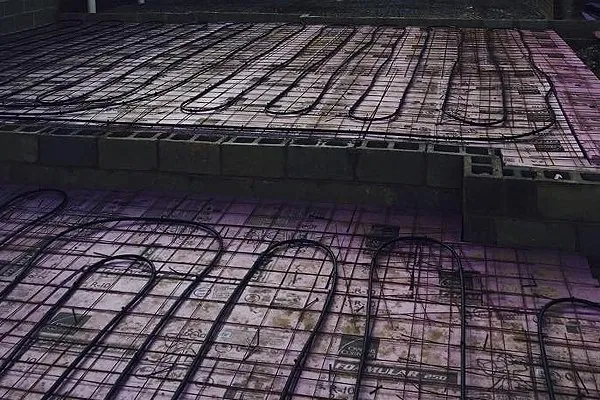
- Hydronic radiant floors – These systems are the most cost-effective and popular for radiant heating systems for heating-dominated climates. Heated water in these systems is pumped from a boiler through tubing that is laid out in a pattern in the floor. Through zoning valves or pumps, the temperature can be regulated
In-Floor Radiant Solutions: Retrofitting Historic Pittsburgh Homes
Many older homes in Shadyside, Squirrel Hill, and Mt. Lebanon feature historic oak or maple hardwood that homeowners want to preserve. You do not need to tear up your original flooring to enjoy radiant warmth.
Subfloor Joist-Bay Retrofits (Between-the-Joists): We install cross-linked polyethylene (PEX-a) oxygen-barrier tubing directly beneath your existing subfloor from the basement or floor below. Using heavy-gauge aluminum heat-transfer plates, warmth conducts evenly upward through original hardwood without damaging the wood.
Thermal Mass Pours (Bathrooms, Kitchens & Basements): For bathroom remodels, kitchen additions, or finished basement slabs, we fasten PEX loops over high-density insulation and encase them in a thermal-mass pour or thin self-leveling mortar before setting tile or engineered stone.
Multi-Zone Manifolds: Take control of uneven floor temperatures. Dedicated supply and return manifolds allow us to create independent heating zones with individual smart thermostats – keeping living areas warm while bedrooms remain comfortable.
Cast-Iron Radiator Balancing & Boiler Temperature Regulation
If your home already has radiators, radiant heating isn’t just about underfloor tubing—it’s about balancing your entire hydronic loop.
Fixing Hot & Cold Rooms (Thermostatic Radiator Valves): In multi-story Pittsburgh row houses, third floors often swelter while the main floor freezes. We install non-electric Thermostatic Radiator Valves (TRVs) on individual cast-iron units, allowing you to limit temperature room-by-room without electrical wiring.
Radiator Valve Repacking & Sludge Flushes: We rebuild leaking valve stems, replace seized radiator shutoffs, and flush heavy iron sediment to restore full circulation across cold radiator sections.
Dual-Temperature Boiler Integration (Mixing Valves): In-floor radiant tubing operates at low temperatures (**85°F to 130°F**), while cast-iron radiators require high temperatures (160°F to 180°F). We install motorized thermostatic mixing valves and variable-speed injection pumps so you can safely run in-floor heat and traditional radiators off the exact same boiler without warping floors or thermal-shocking equipment.
Need your central heating unit inspected before adding radiant zones? Learn more about our Pittsburgh Boiler Repair & Installation Services.
Competitive Prices on Radiant Heating